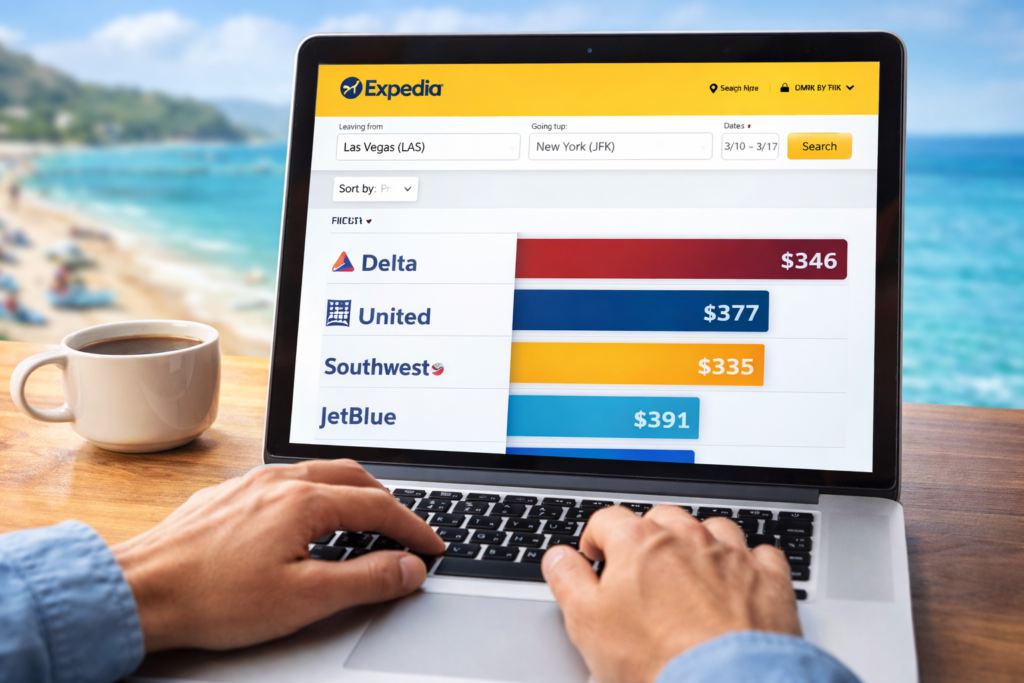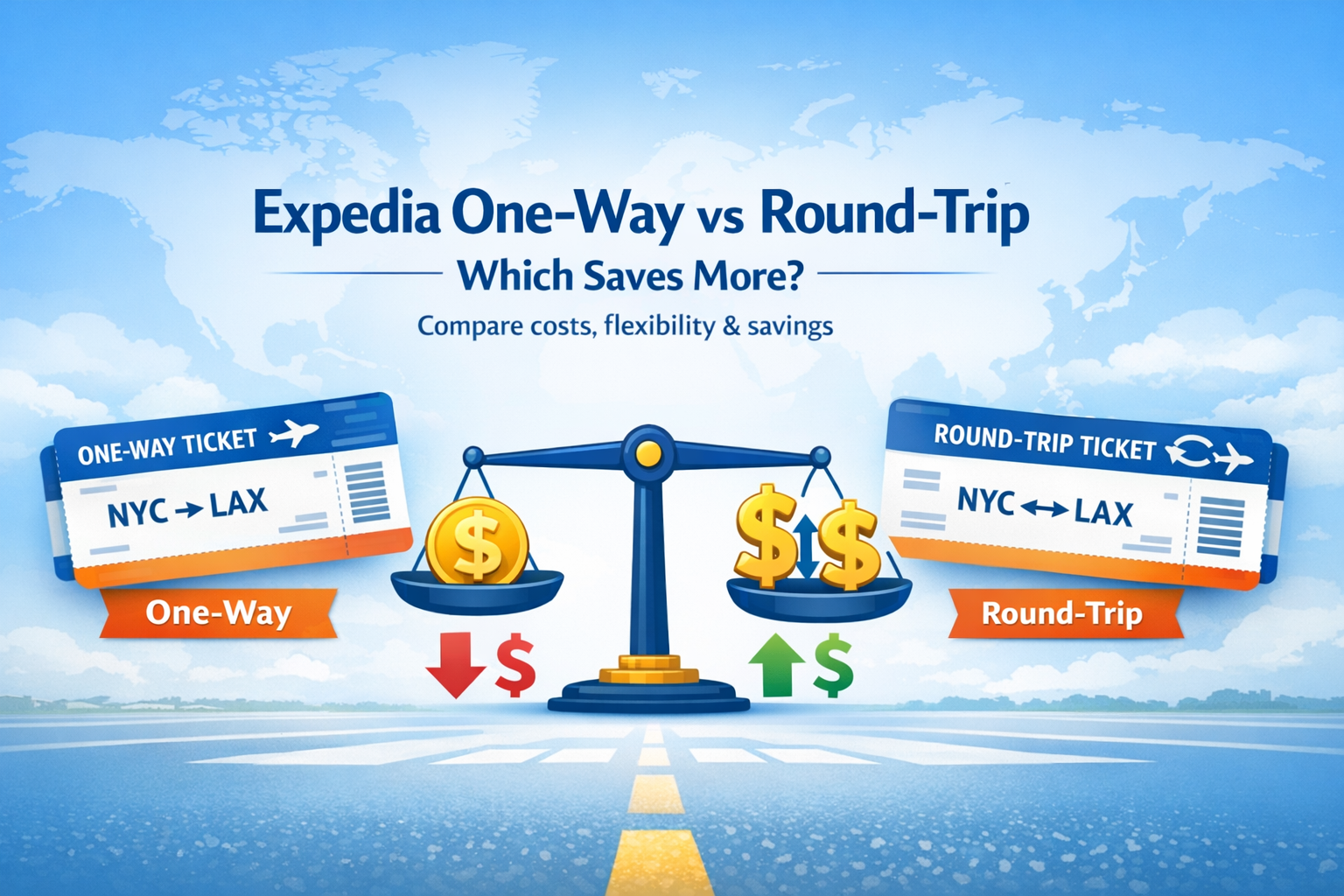
Travelers planning flights on Expedia often find themselves stuck on one big question: is it cheaper to book one-way tickets or a round-trip? The confusion around expedia one-way vs round trip pricing exists because fares don’t follow a single rule. Sometimes one-way flights look surprisingly affordable, while in other cases, round-trip tickets appear to offer better overall value. This inconsistency leaves travelers unsure whether they’re saving money or unknowingly overpaying.
One major reason for this confusion is how Expedia pricing differs from airline-direct booking. Airlines typically design their pricing models to favor round-trip bookings, especially on international routes, while Expedia aggregates fares from multiple airlines, including low-cost carriers that price one-way tickets competitively. As a result, Expedia can sometimes show cheaper one-way options that aren’t obvious on airline websites, while still offering bundled round-trip deals that look attractive at first glance.
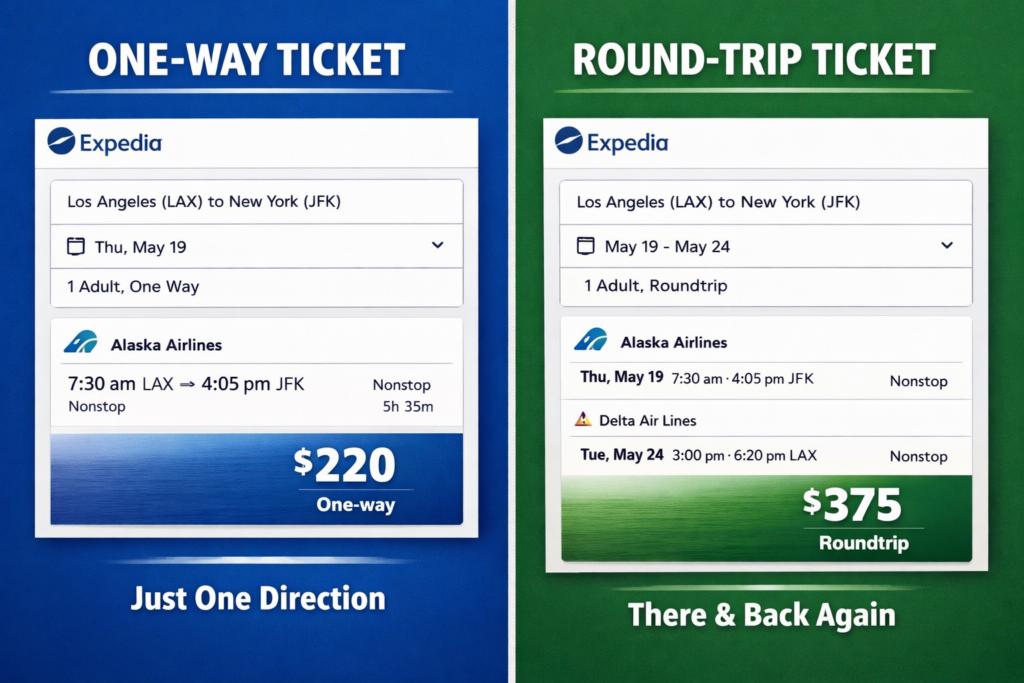
Beyond the base fare, travelers must also consider cost, flexibility, and hidden charges. One-way tickets often provide more flexibility, allowing travelers to change plans or return via a different airline or date.
Round-trip tickets, on the other hand, may lock you into fixed schedules but sometimes include lower combined taxes and fees.
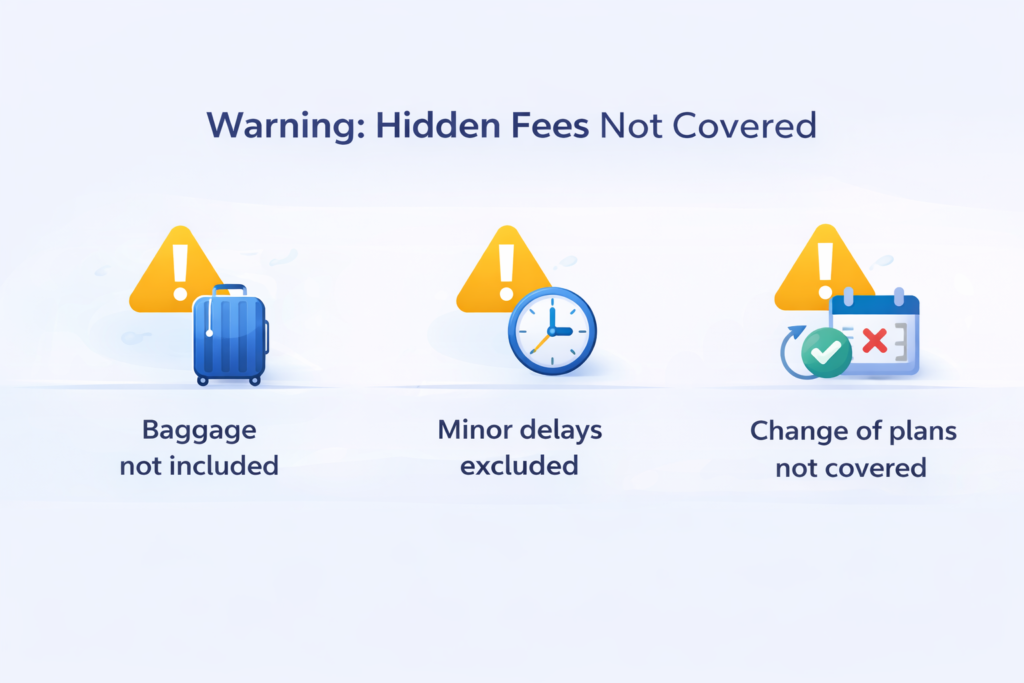
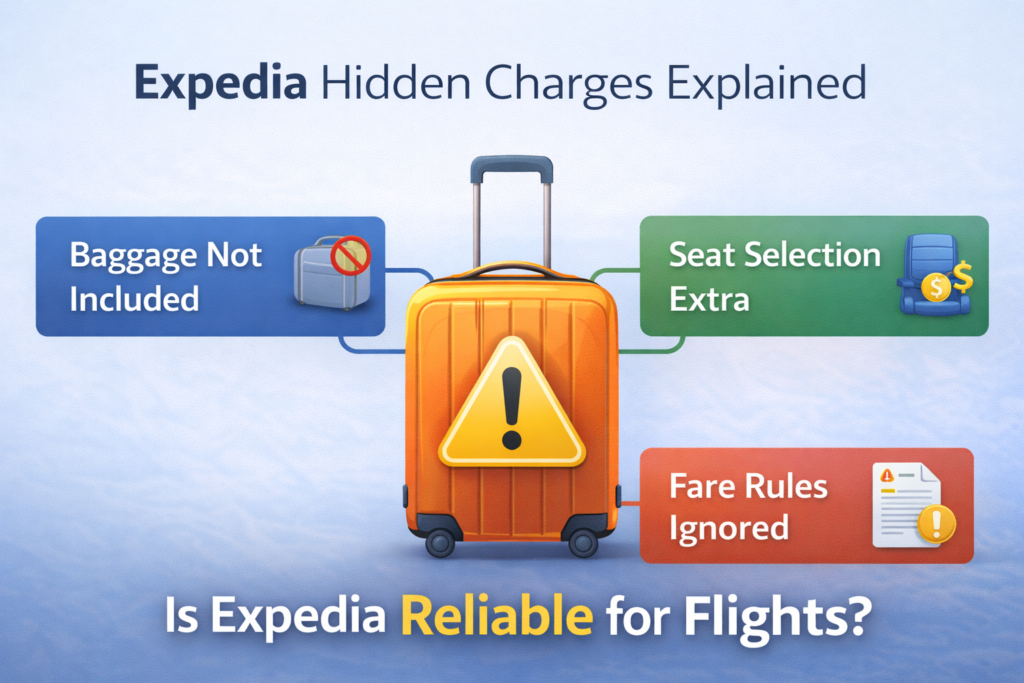
Hidden costs like baggage fees, seat selection, and change penalties can significantly impact the final price, making the expedia one-way vs round trip decision more complex than it appears.
If you’re unsure which option fits your trip best, you can speak to a flight expert at [+(188)848-12120] before booking, especially when prices seem close or rules aren’t clear.
So which actually saves more money? The short answer is it depends on your route, airline, and travel flexibility. In some cases, one-way tickets win on price and freedom, while in others, round-trip bookings clearly offer better value.
In the sections ahead, we’ll break down real pricing scenarios, hidden fees, and booking strategies to help you confidently choose between Expedia one-way and round-trip flights.
What Is a One-Way Flight on Expedia?
A one-way flight on Expedia allows travelers to book a ticket from their origin to their destination without committing to a return date.
This option has become increasingly popular, especially among flexible travelers, business flyers, and those planning open-ended trips.
When comparing expedia one-way vs round trip, one-way tickets often stand out because they give travelers more control over their itinerary.
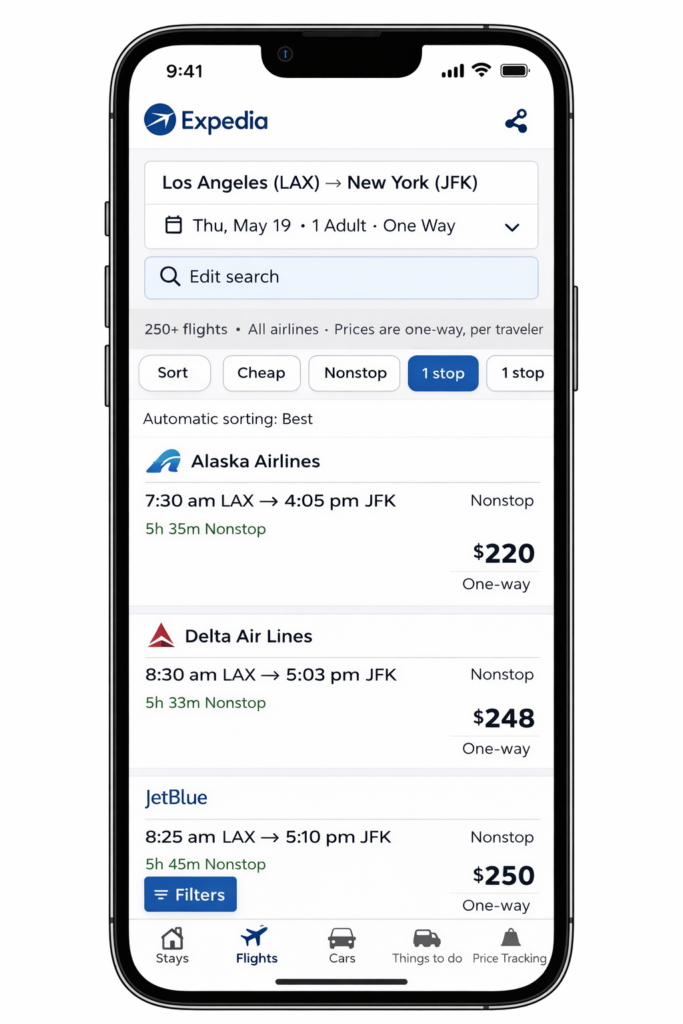
On Expedia, one-way pricing depends heavily on the airline, route, and region. Low-cost carriers usually price one-way fares competitively, making them feel like a fair “half” of a round-trip ticket.
Legacy airlines, however, may price one-way tickets higher to encourage round-trip bookings.
Because Expedia pulls data from multiple airlines at once, it can sometimes surface one-way deals that aren’t easily visible when booking directly through an airline’s website.
Another reason travelers consider one-way flights is flexibility. With a one-way ticket, you’re not locked into a return date or even the same airline.
This is especially useful for travelers who may return from a different city, extend their stay, or combine flights with other travel modes.
If you’re comparing expedia one-way vs round trip and flexibility matters more than fixed pricing, one-way tickets often feel like the safer option. If you want to confirm whether flexibility comes at a higher cost, many travelers check live fares by calling [+(188)839-30526] before booking.
However, one-way flights aren’t always cheaper. On international routes, taxes and airline pricing rules can make two one-way tickets more expensive than a single round-trip booking.
That’s why understanding when Expedia one-way fares make sense is critical before assuming they’ll save money.
In the next section, we’ll look at how round-trip flights on Expedia are priced and why airlines often bundle returns to appear cheaper—especially when comparing expedia one-way vs round trip for longer journeys.
What Is a Round-Trip Flight on Expedia?
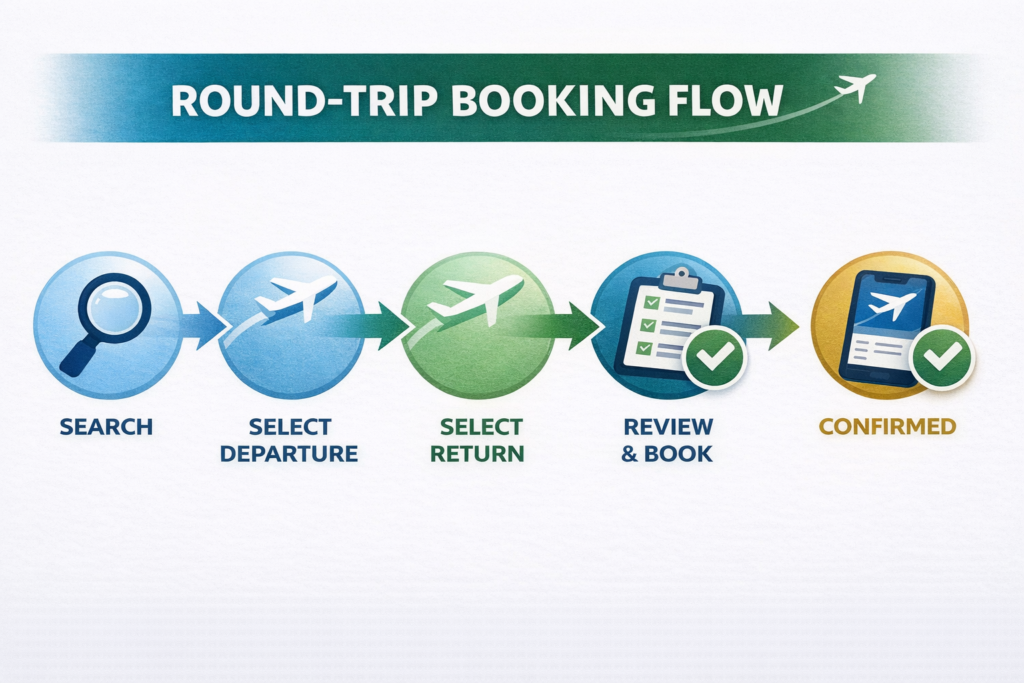
A round-trip flight on Expedia includes both the outbound and return journey in a single booking. This option is traditionally favored by airlines and remains one of the most common ways travelers book flights. When comparing expedia one-way vs round trip, round-trip tickets often appear cheaper at first glance because airlines frequently bundle both legs together at a discounted total price.
On Expedia, round-trip pricing works by combining two flights under one fare rule, often offered by the same airline or partner carriers.
Airlines design these fares to encourage travelers to commit to a full journey, which helps them manage seat inventory and predict demand more accurately.
Because of this, airlines often incentivize round-trip bookings by lowering the combined price compared to purchasing two separate one-way tickets—especially on international or long-haul routes.
However, round-trip fares come with fare rules and return-date dependencies. Most round-trip tickets require you to select a return date at the time of booking, and the price is directly tied to that date.
Changing the return flight can trigger fare differences, change fees, or even require re-pricing the entire ticket. This is an important factor in the expedia one-way vs round trip debate, particularly for travelers whose plans aren’t fully fixed.
Change and cancellation policies also differ with round-trip bookings. While some fares allow free changes within a certain window, others impose strict penalties that apply to the entire itinerary, not just one segment.
That means a change to your return flight could affect the total cost more than expected. If your return date is flexible, a quick call to [+(188)848-12120] can reveal cheaper round-trip options that aren’t obvious during a standard search.
Overall, round-trip flights on Expedia tend to offer better value for travelers with fixed schedules, especially for international travel. In the next section, we’ll directly compare prices to see when expedia one-way vs round trip truly saves more money.
Expedia One-Way vs Round-Trip: Price Comparison Breakdown
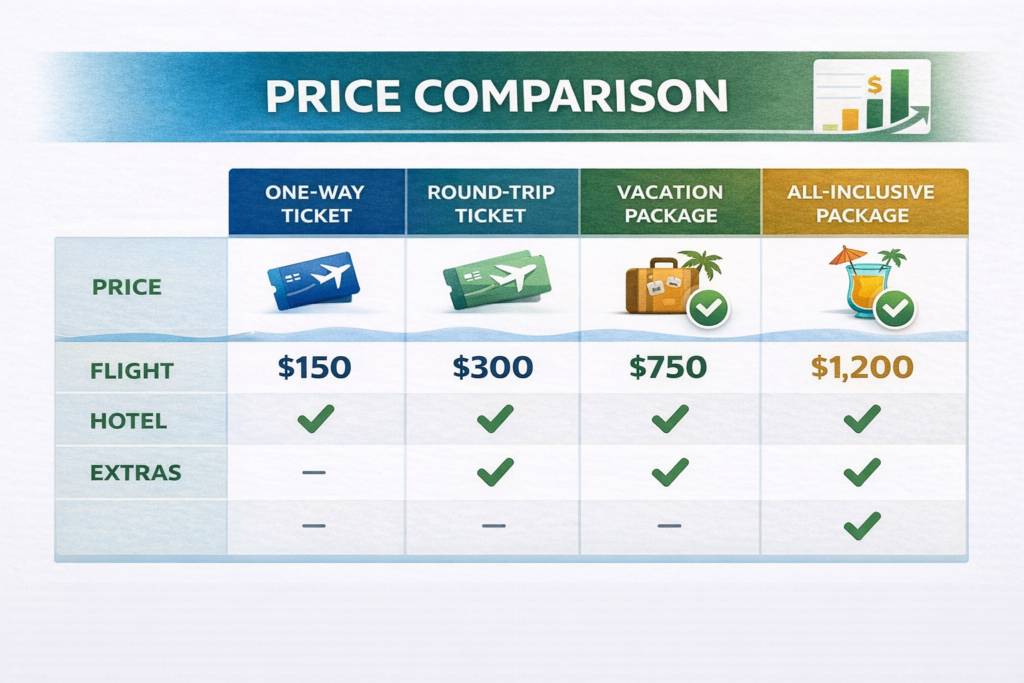
When travelers seriously compare expedia one-way vs round trip, the real difference becomes clear only after breaking down prices side by side.
At first glance, one-way fares may look cheaper because you’re paying for only a single segment, while round-trip tickets appear more expensive due to the bundled total.
However, the final cost often tells a very different story once taxes, fees, and airline pricing rules are applied.
In a side-by-side cost comparison, one-way tickets on Expedia can be cheaper on short domestic routes, especially when flying with low-cost carriers.
These airlines usually price one-way fares independently, making them close to half the cost of a round-trip.
In contrast, legacy airlines often price one-way tickets higher, which makes round-trip bookings look more economical overall. This pricing strategy is a key factor in the expedia one-way vs round trip debate.
Another major difference lies in taxes, fees, and fare bundling. Round-trip tickets often bundle government taxes, airport charges, and airline-imposed fees more efficiently.
With one-way bookings, these fees are charged separately for each ticket, which can increase the total cost if you book two one-way flights instead of a single round-trip.
Before finalizing, many travelers verify live prices via [+(188)839-30526], especially when fees seem unusually high.
The price gap also changes when comparing domestic routes vs international routes. On domestic flights, especially within the same country, one-way fares on Expedia are frequently competitive and sometimes cheaper.
On international routes, however, round-trip fares usually win. Airlines heavily discount round-trip international tickets, while one-way international fares can be disproportionately expensive due to fare rules and higher taxes.
The comparison becomes even clearer when looking at low-cost carriers vs legacy airlines. Budget airlines tend to favor one-way pricing, making expedia one-way vs round trip comparisons lean toward one-way savings.
Legacy airlines, on the other hand, reward round-trip bookings with better per-leg pricing, included benefits, or fewer penalties.
Example Price Comparison Table:
| Route | One-Way Price | Round-Trip Price | Cheaper Option |
|---|---|---|---|
| New York – Miami | $120 | $210 | Round-Trip |
| Los Angeles – Las Vegas | $55 | $130 | One-Way |
| London – New York | $520 | $780 | Round-Trip |
| Chicago – Dallas | $95 | $180 | Round-Trip |
As shown above, the cheapest option depends heavily on route, airline, and trip type. The expedia one-way vs round trip decision should never be based on base fare alone.
Taxes, airline pricing models, and route distance all play a role in determining which option truly saves more money.
When Expedia One-Way Flights Are Cheaper
There are several real-world scenarios where Expedia one-way flights are genuinely cheaper than round-trip bookings.
Understanding these situations can help travelers make smarter decisions when comparing expedia one-way vs round trip, especially when flexibility or route complexity is involved.
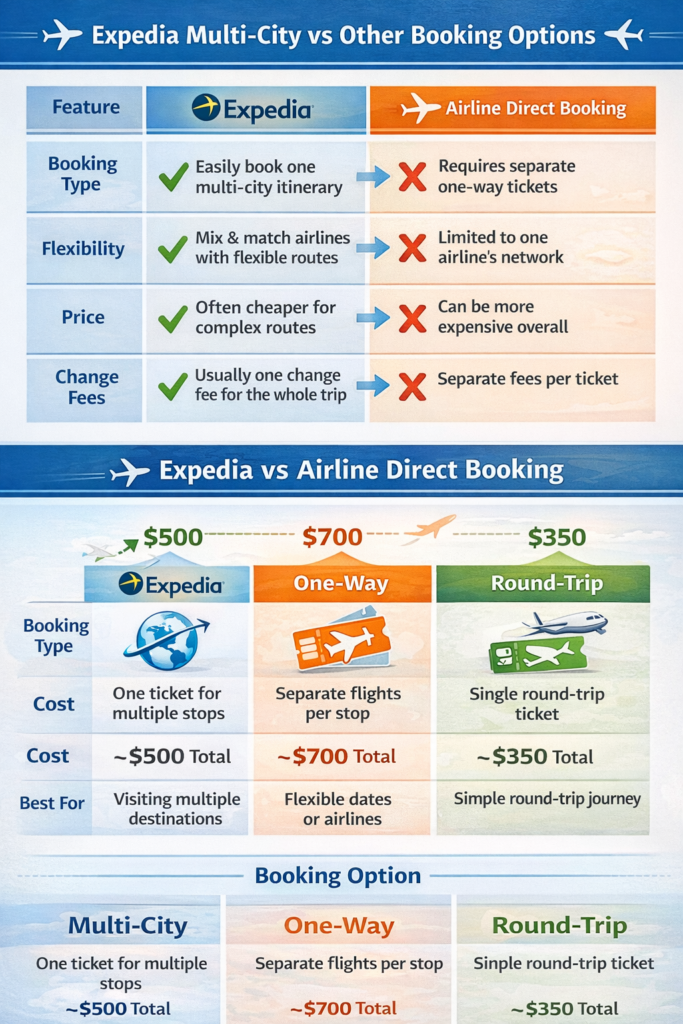
One of the most common cases is open-jaw travel. This happens when you fly into one city and return from another—for example, arriving in Paris and departing from Rome. Round-trip tickets often don’t support this efficiently, forcing travelers to backtrack or pay higher fares.
Booking one-way flights on Expedia allows you to optimize each leg independently, often reducing total travel costs while saving time.
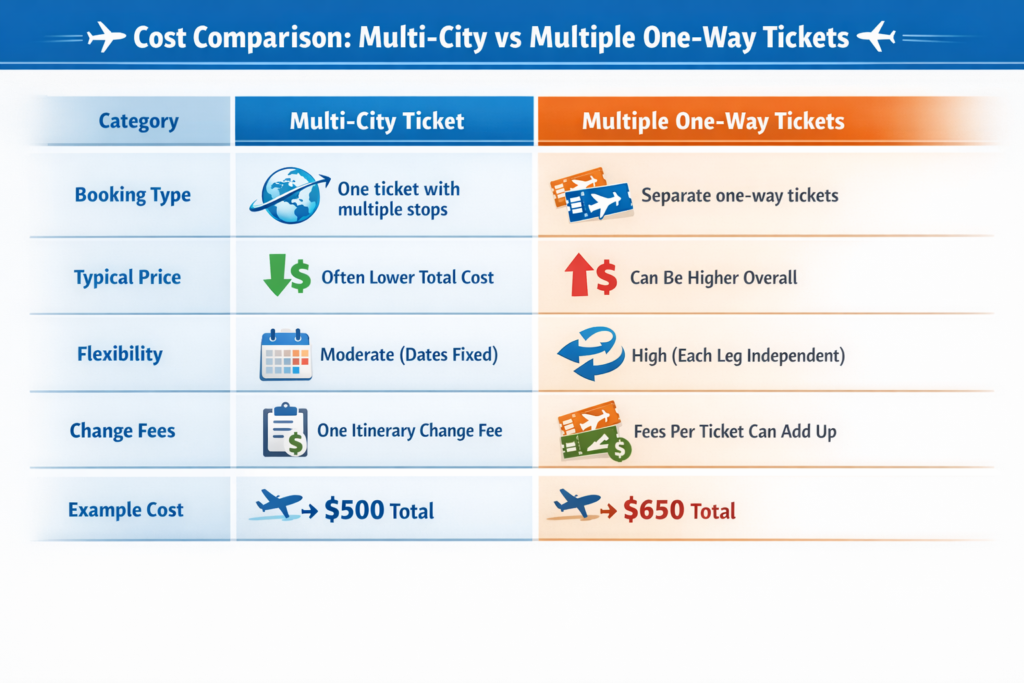
Multi-city planning is another situation where one-way flights shine. Travelers visiting multiple destinations on a single trip frequently find that combining multiple one-way tickets is cheaper than forcing a round-trip structure.
Expedia’s ability to mix airlines and routes makes one-way pricing especially competitive for complex itineraries. When comparing expedia one-way vs round trip for multi-city travel, one-way tickets usually offer better value and control.
Budget airlines play a major role as well. Carriers like Spirit, Frontier, and Ryanair-equivalent airlines price flights strictly as one-way fares.
These airlines don’t rely on round-trip discounts, which means Expedia can surface extremely low one-way prices—sometimes close to half the cost of a round-trip. In these cases, expedia one-way vs round trip comparisons often clearly favor one-way bookings.
Another key scenario is last-minute travel. Airlines may reduce unsold one-way seats shortly before departure, especially on domestic routes.
Travelers with flexible schedules can take advantage of these sudden price drops. For last-minute one-way deals, experts at [+(188)848-12120] often find unpublished fares that don’t always appear in standard searches.
Overall, one-way flights on Expedia tend to be cheaper when flexibility, route customization, or budget airlines are involved.
While round-trip tickets still dominate traditional travel, these scenarios prove that expedia one-way vs round trip isn’t a one-size-fits-all decision—and one-way bookings can offer serious savings when used strategically.
When Expedia Round-Trip Flights Save More Money
While one-way tickets offer flexibility, there are many situations where round-trip flights on Expedia clearly save more money. Understanding these scenarios helps travelers make smarter decisions when weighing expedia one-way vs round trip, especially for longer or more structured trips.
One of the most common cases is fixed travel dates. When your departure and return dates are confirmed in advance, airlines often reward this certainty with lower round-trip fares. Expedia aggregates these discounted fares, making round-trip tickets significantly cheaper than booking two separate one-way flights. This is especially true when traveling during peak seasons, where airlines prefer locking passengers into full itineraries.
International long-haul travel is another area where round-trip bookings dominate. On international routes, airlines heavily subsidize round-trip fares while pricing one-way tickets much higher. Taxes, fuel surcharges, and international fees are often bundled more efficiently into round-trip fares, reducing the per-leg cost. In most international comparisons of expedia one-way vs round trip, round-trip tickets almost always provide better value.
Seasonal promotions and airline sales also favor round-trip bookings. Airlines frequently release round-trip-only deals during holiday sales, off-season travel periods, or promotional campaigns. Expedia captures these offers across multiple carriers, allowing travelers to compare discounted round-trip fares that simply don’t exist in one-way form. If your dates are even slightly flexible, a quick call to [+(188)848-12120] can help uncover cheaper round-trip options tied to these limited-time sales.
Another advantage comes from fare rules that favor round trips. Some airlines include benefits like lower change fees, bundled seat selection, or reduced baggage costs when booking round-trip tickets. While these inclusions aren’t always obvious upfront, they can significantly reduce total trip cost compared to paying separately on two one-way fares.
Round-trip flights also make sense for vacations and family travel, where predictability matters more than flexibility. Locking in both legs under one booking simplifies management, reduces the risk of price spikes on the return journey, and often results in a lower overall fare. In these cases, expedia one-way vs round trip comparisons tend to favor round-trip bookings not just on price, but on convenience and cost control.
In short, round-trip flights on Expedia save more money when travel plans are stable, routes are international or long-haul, and airline pricing incentives come into play.
As the next section will show, the real decision comes down to balancing cost savings against flexibility, which is where many travelers struggle most.
Flexibility vs Cost: What Matters More?
One of the biggest deciding factors in the expedia one-way vs round trip debate is the balance between flexibility and cost. Travelers often assume the cheapest option is always best, but in reality, the value of flexibility can outweigh small price differences—especially when plans are uncertain.
Flexibility is where one-way flights truly shine. Booking a one-way ticket allows you to change your return city, airline, or travel date without reworking your entire itinerary.
This is ideal for business travelers, digital nomads, or tourists who may extend their stay. In the expedia one-way vs round trip comparison, one-way fares give travelers control and reduce the risk of paying change fees on a full itinerary. For trips with unknown return dates, flexibility often justifies a slightly higher price.
On the other hand, cost predictability is the biggest advantage of round-trip bookings. When you book both legs together, you lock in pricing and protect yourself from future fare increases.
This is especially important during peak seasons when return fares can spike unexpectedly.
Round-trip tickets also simplify budgeting, as all major costs are paid upfront. If you’re torn between flexibility and savings, many travelers confirm both options by calling [+(188)848-12120] before making a final decision.
Change and cancellation policies further highlight this trade-off. With round-trip tickets, changing one leg may affect the entire booking, potentially triggering fare differences or penalties.
One-way tickets isolate risk—if plans change, only one segment is impacted. However, booking two separate one-way flights can sometimes increase total taxes and fees, shifting the expedia one-way vs round trip balance back toward round-trip savings.
Ultimately, the choice depends on your travel style. If your dates are fixed and your priority is minimizing total cost, round-trip flights often win.
If your plans are flexible and subject to change, one-way tickets may offer better overall value—even if the upfront price is slightly higher. Understanding this balance helps travelers make smarter, more confident booking decisions.
Also Read: Should You Get Expedia Flight Protection? Is It Actually Worth It?
Hidden Costs to Watch on Expedia
When comparing expedia one-way vs round trip, many travelers focus only on the base fare and overlook hidden costs that can significantly change the final price. These additional charges often explain why a ticket that looks cheaper at first ends up costing more after checkout.
One of the most common hidden expenses is baggage fees. Many airlines, especially low-cost carriers, exclude checked and even carry-on baggage from the base fare. When booking one-way tickets, these fees are applied separately for each leg, which can quickly increase the total cost.
Round-trip bookings may sometimes bundle baggage more efficiently, making them cheaper overall despite a higher upfront price.
Seat selection fees are another overlooked cost. Basic fares on both one-way and round-trip tickets often assign seats randomly unless you pay extra.
On round-trip bookings, you may pay seat selection fees once per leg, while two one-way bookings can double this cost.
This becomes an important factor in the expedia one-way vs round trip comparison, especially for families or travelers who want guaranteed seating together.
Change and cancellation penalties also differ based on how you book. With round-trip tickets, changing one segment may cause the entire itinerary to be repriced, potentially increasing costs.
One-way tickets limit the risk to a single flight, but change fees may still apply. To avoid surprises, travelers often confirm fare rules by calling [+(188)839-30526] before making changes.
Another hidden factor is airline-specific fare restrictions. Some discounted fares restrict refunds, upgrades, or same-day changes. These restrictions are easy to miss during booking but can heavily impact flexibility and cost later. This is why understanding fare rules is essential when evaluating expedia one-way vs round trip options.
In short, hidden costs can easily tilt the balance between one-way and round-trip flights. Looking beyond the base fare ensures you choose the option that truly saves money—not just the one that appears cheaper upfront.
Final Verdict: Expedia One-Way vs Round-Trip — Which Should You Choose?
After comparing prices, flexibility, and hidden costs, it’s clear there is no single winner in the expedia one-way vs round trip debate. The better option depends entirely on your travel style, route, and how fixed your plans are.
One-way flights often make sense for travelers who value flexibility, are booking open-jaw or multi-city trips, or are flying with budget airlines that price fares independently. In these cases, Expedia one-way bookings can unlock savings and provide freedom that round-trip tickets simply can’t match.
On the other hand, round-trip flights consistently deliver better value for travelers with fixed dates, especially on international and long-haul routes.
Airlines structure their pricing to reward round-trip bookings, and Expedia passes along those bundled savings through lower combined fares and more predictable costs.
When taxes, fees, and fare rules are considered, round-trip tickets frequently come out ahead—even if the base price looks higher at first.
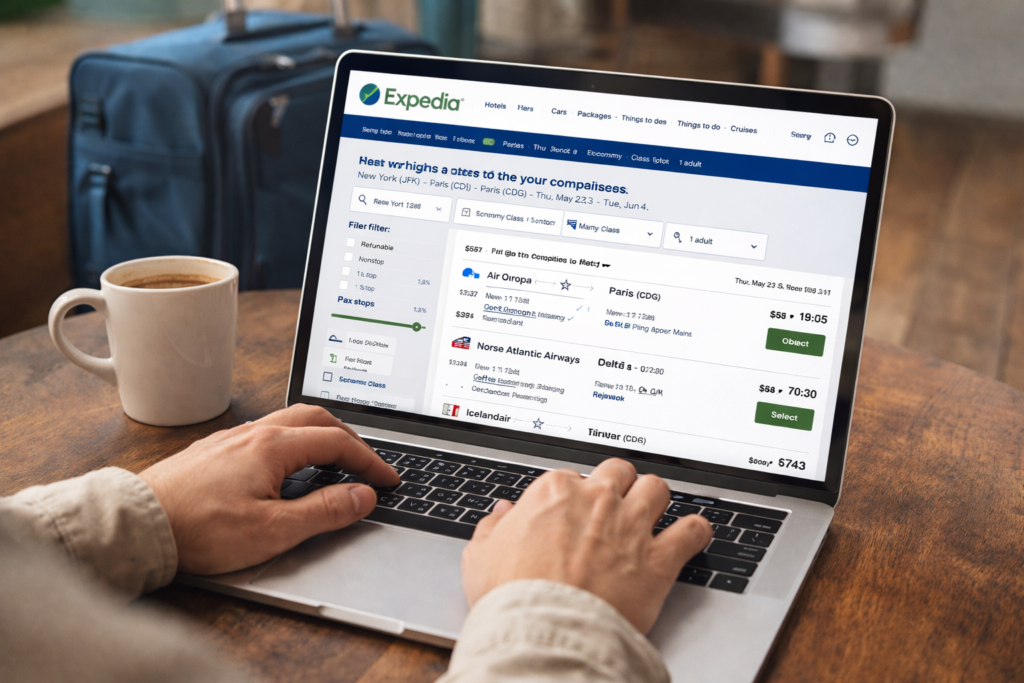
The smartest approach is not choosing sides, but comparing both options every time. A quick side-by-side check on Expedia can reveal surprising differences, and small pricing gaps can grow once baggage, seat selection, or change fees are added.
If you’re still unsure which option saves more for your specific trip, speaking with a booking expert at [+(188)839-30526] can help clarify real-time pricing and fare rules before you commit.
In the end, the real savings come from understanding how airlines price tickets and using Expedia’s comparison tools wisely. Whether you choose one-way or round-trip, making an informed decision ensures you get the best value—not just the cheapest-looking fare.